

Wabi-Sabi is a Japanese concept that embraces imperfection, simplicity, and the beauty found in everyday moments. Rather than one fixed idea, it includes different ways of seeing and appreciating the world.
In this blog, we’ll introduce the various forms of Wabi-Sabi and how they appear across Japanese culture and daily life.
Get Your Ticket Today! Get Your Ticket Today!

Wabi-Sabi is a uniquely Japanese aesthetic philosophy. Rather than pursuing perfection, it finds beauty in imperfection, the passage of time, and quiet simplicity.
Slightly irregular shapes, uneven colours, and textures formed through years of use which may first appear as a “flaw” gradually becomes a one-of-a-kind expression, gaining depth and character over time.
In the Heian period (10th century), the renowned Japanese writer Sei Shōnagon once wrote that “the moon is more beautiful when it is slightly incomplete than when it is perfectly full.” Wabi-Sabi values not pristine newness, but the marks left by human hands and lived experience.
Many of the crafts featured at Japan Market are created through careful handwork and the intuition of the maker—not mass production. They may not be perfectly uniform. But they carry warmth, stories, and a quiet presence that fits naturally into everyday life.
Through this blog, we will introduce crafts inspired by the spirit of Wabi-Sabi, along with the thoughts, techniques, and backgrounds of the artists who create them.
Repair as Beauty
Rather than hiding damage or imperfections, Japanese craftsmanship has long embraced them.
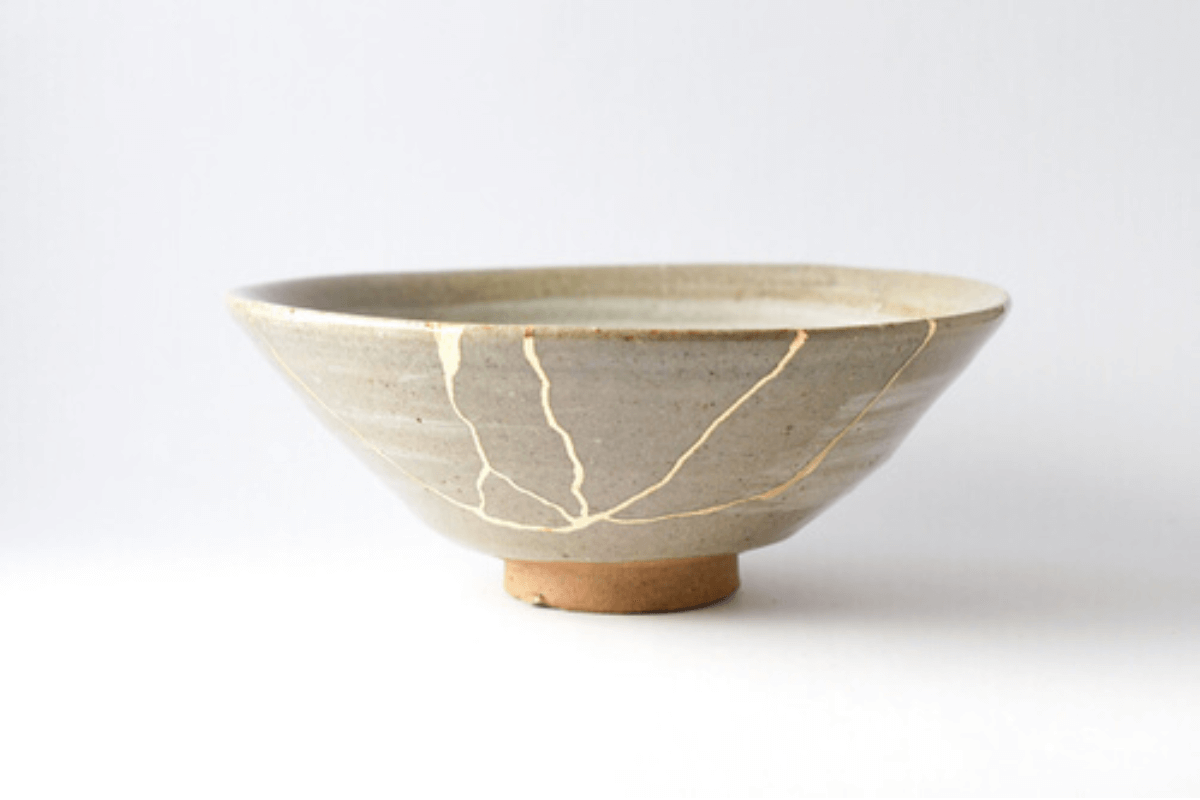
Repair becomes something visible that is an intentional act and filled with meaning. Traditional techniques such as Kintsugi and Boro take what was worn or broken and transform them into beautiful items to be enjoyed for many more years to come.
Kintsugi is the repair of broken or chipped pottery with lacquer, leaving the cracks visible and breathing new life into the piece. A repaired vessel does not hide its past. What was once broken becomes part of its character, and what was lost is transformed into beauty.
Designing with Patience
In Japanese aesthetics, design is not something meant to be completed quickly. It is an act that embraces the passage of time, finding value in waiting, and accepting patience itself as part of the creative process.
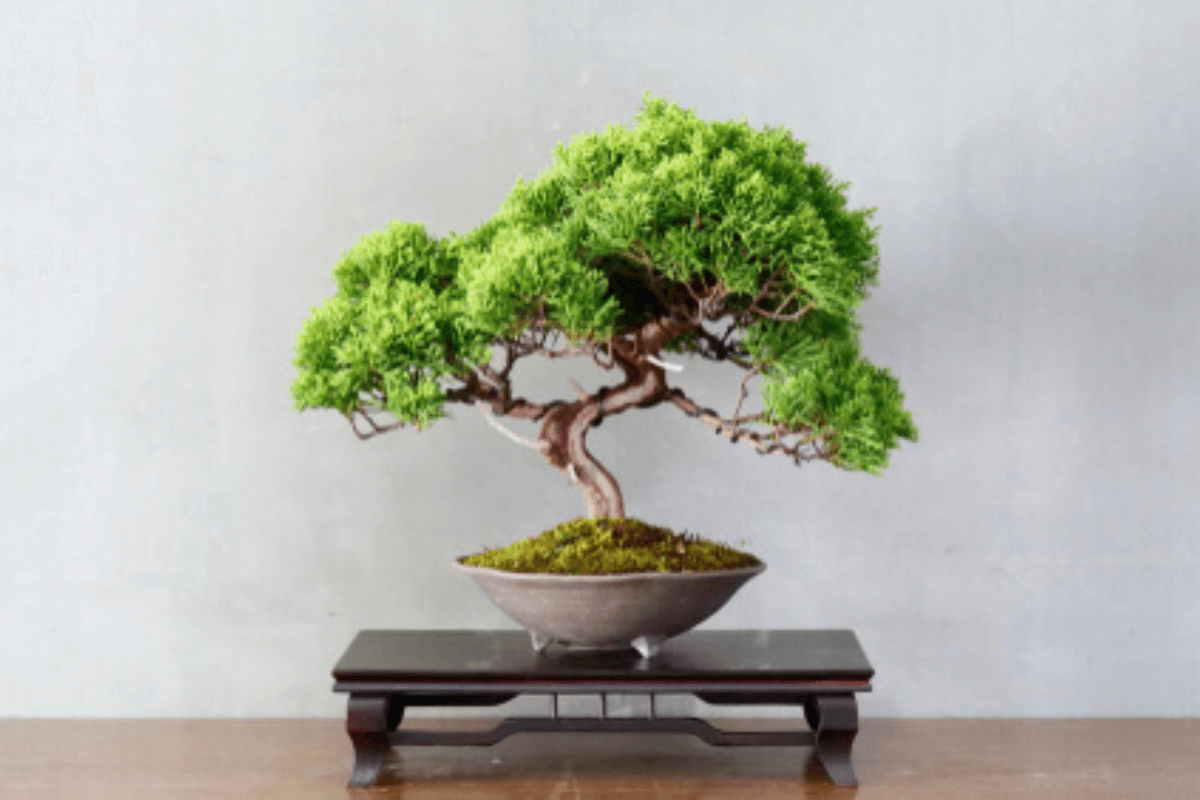
A symbolic example of this philosophy is Bonsai. Bonsai are cultivated over many years, sometimes even decades. Branches are shaped gradually, growth is observed carefully, and moments of doing nothing are treated as essential. Rather than rushing toward completion, form is guided gently with the natural rhythm of time.
“Beauty born through waiting” lies at the heart of Wabi-Sabi, teaching us that the best things in life are worth the wait.
Beauty after Bloom
Flowers are often thought to be most beautiful at the moment of bloom. Their full bloom is seen as the peak of their beauty. Yet Japanese aesthetics looks beyond that moment, finding beauty in the wilting process as flowers slowly lose their colour, change their form, and eventually fade. Even after they have fully withered, beauty is still present.
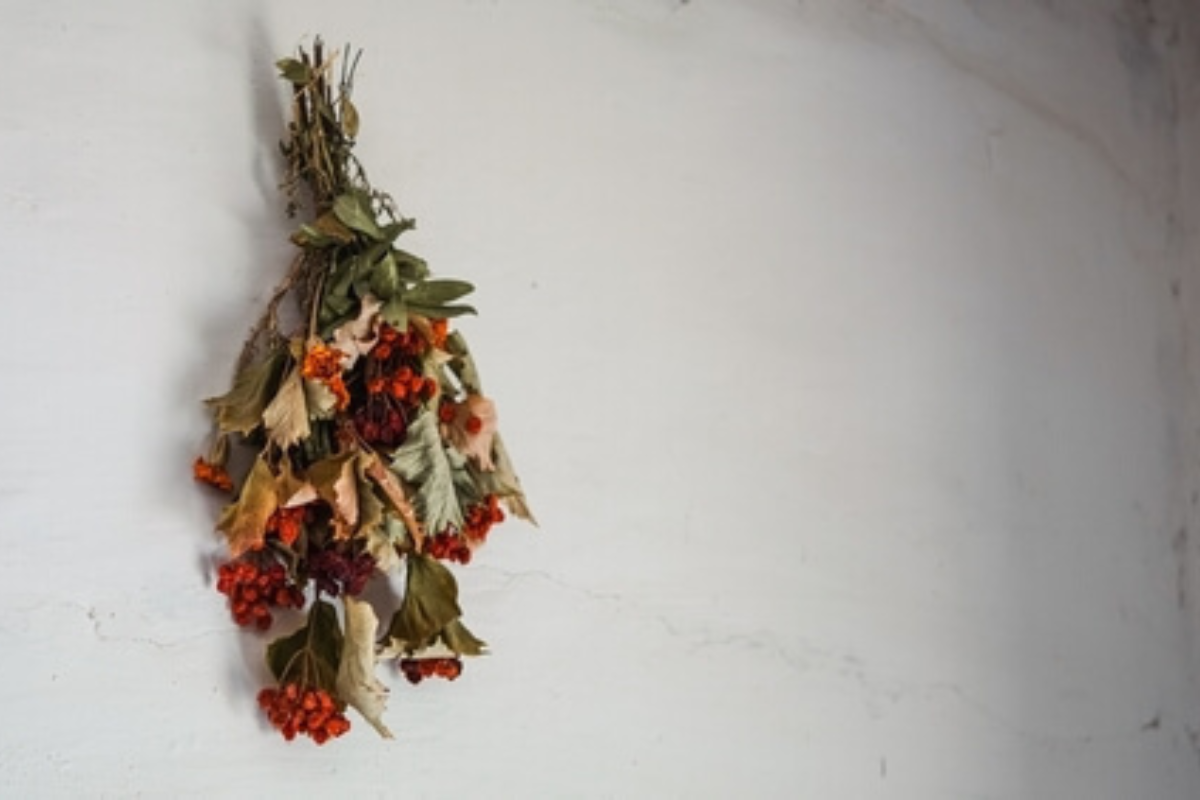
A symbolic example of this is dried flowers. Despite losing moisture and their vivid colours, dried flowers gain a quiet depth and calm that fresh flowers do not possess.
Unlike the brilliance of flowers in full bloom, beauty emerges through time, and transforms to a subtle beauty that reminds us that beauty can be found long after its peak. It is a way of seeing that extends beyond flowers—resonating with objects, people, and perhaps even the way we live our own lives.
No Two Items Are the Same
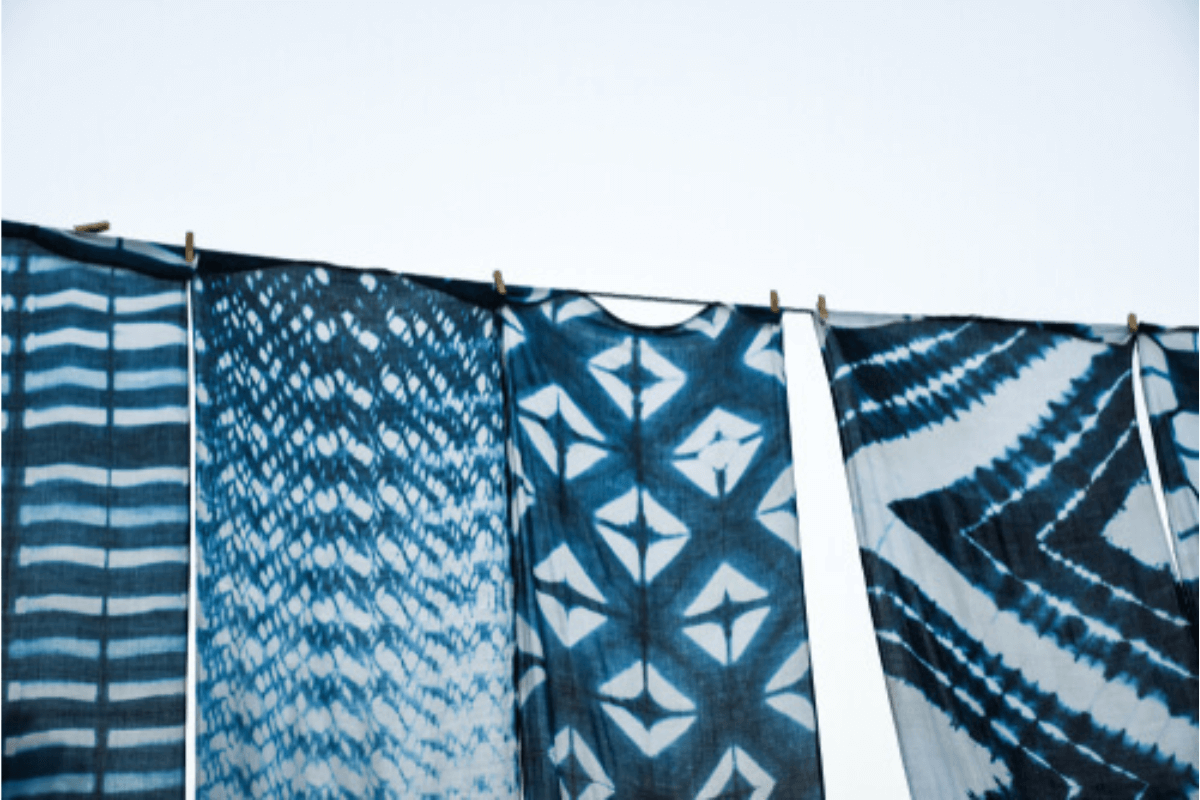
It is impossible to create two things exactly the same. And that is precisely the beauty of handcrafted items. Hand-dyed textiles are a perfect example of creating variation in the way the dye settles, the depth of colour, and even the bleeding and layering. No matter how carefully the same process is repeated, the result is rarely ever identical.
This is not imperfection, but individuality born from the maker’s hands, the material itself, and a touch of chance. Because each piece carries subtle differences, it holds a story that mass-produced items simply cannot.
Getting Better with Time
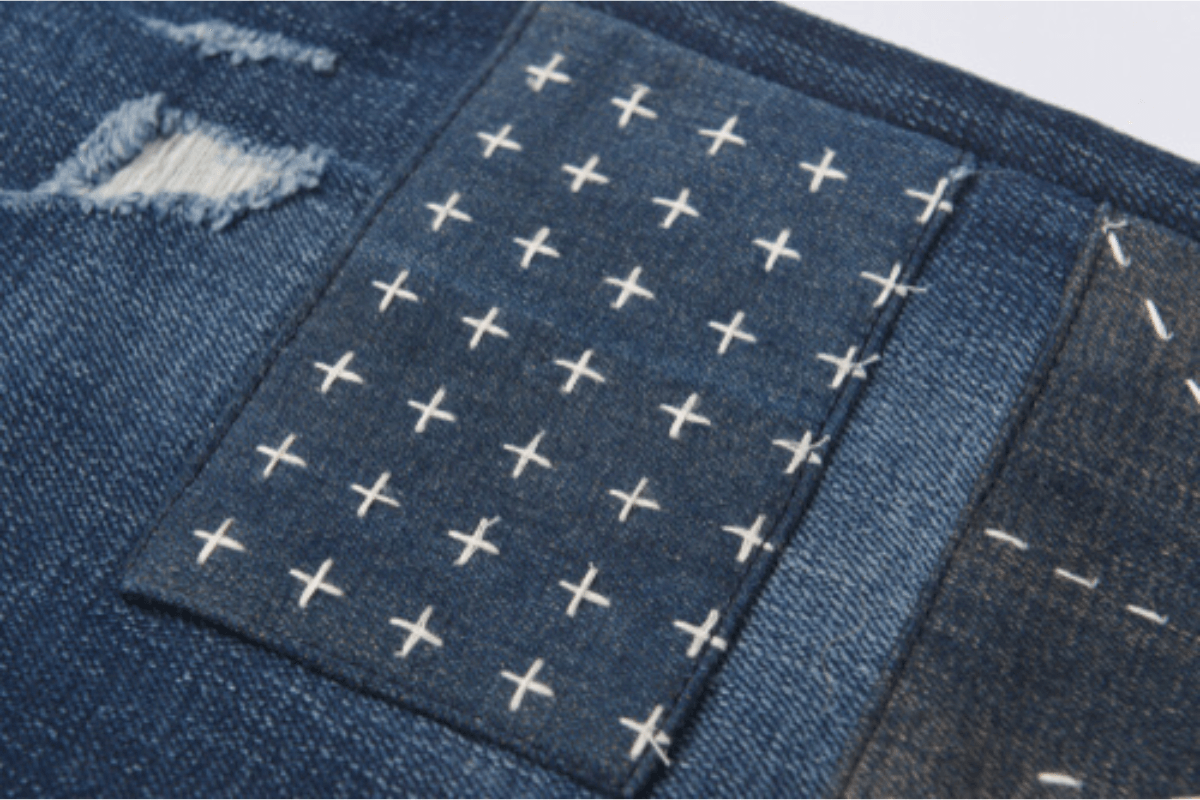
Some beauty is complete the moment it is made, but there are also things that grow better only with time. By using a single item over many years, it begins to develop its own character and history. That is Wabi Sabi.
Take leather goods, for example. With use, the leather softens, the colour deepens, and it gradually adapts to the hands and daily life of its owner. The same is true for cutting boards and kitchen knives. The marks and wear they carry are not signs of deterioration, but evidence of time spent cooking and caring for everyday meals.
The true value reveals itself not at the beginning, but after years of use— a value that newness alone can never offer.
Quiet Presence
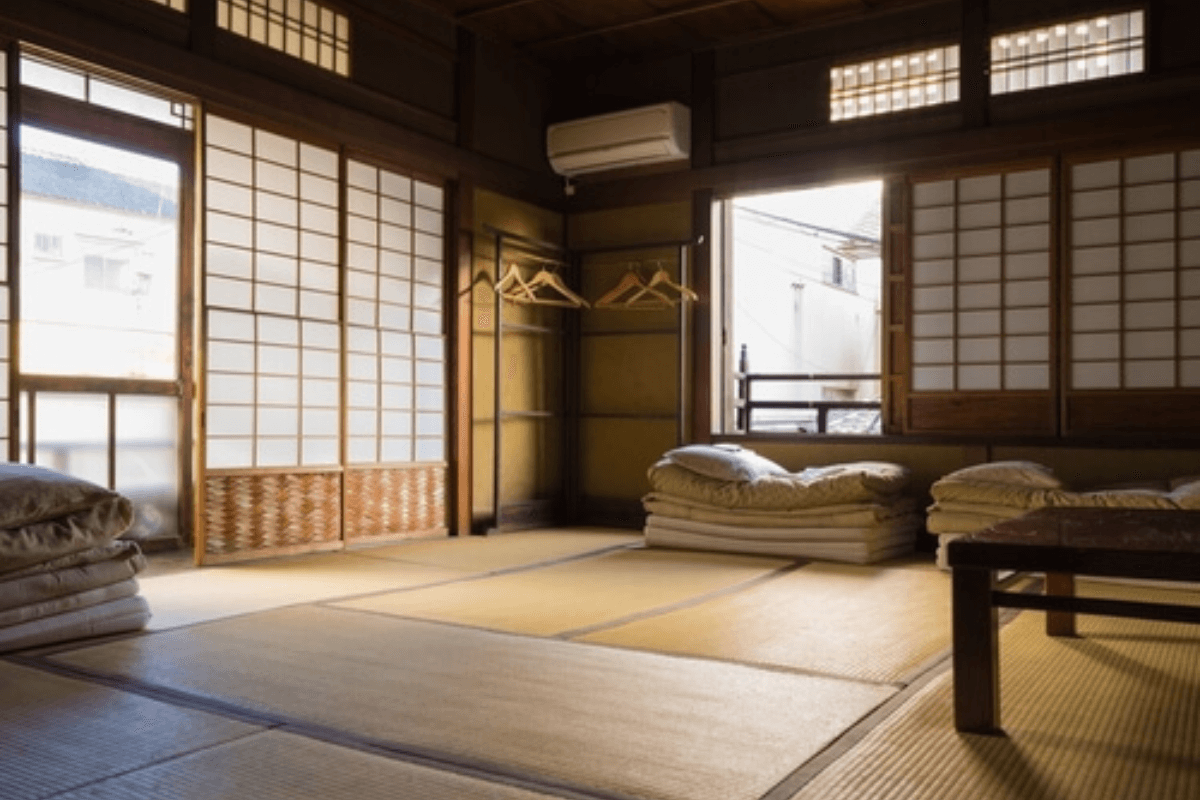
Plain, single-toned, and simply designed products can bring calm to our everyday lives. At first glance, they may seem modest or understated. Yet, their beauty lies in not being too assertive, and letting the texture of the material, the beauty of the form, and the comfort of use naturally come to the surface.
By not speaking through colour or decoration, these pieces quietly blend into their surroundings, gently accompanying the everyday lives of those who use them.

Why Ugly is Popular
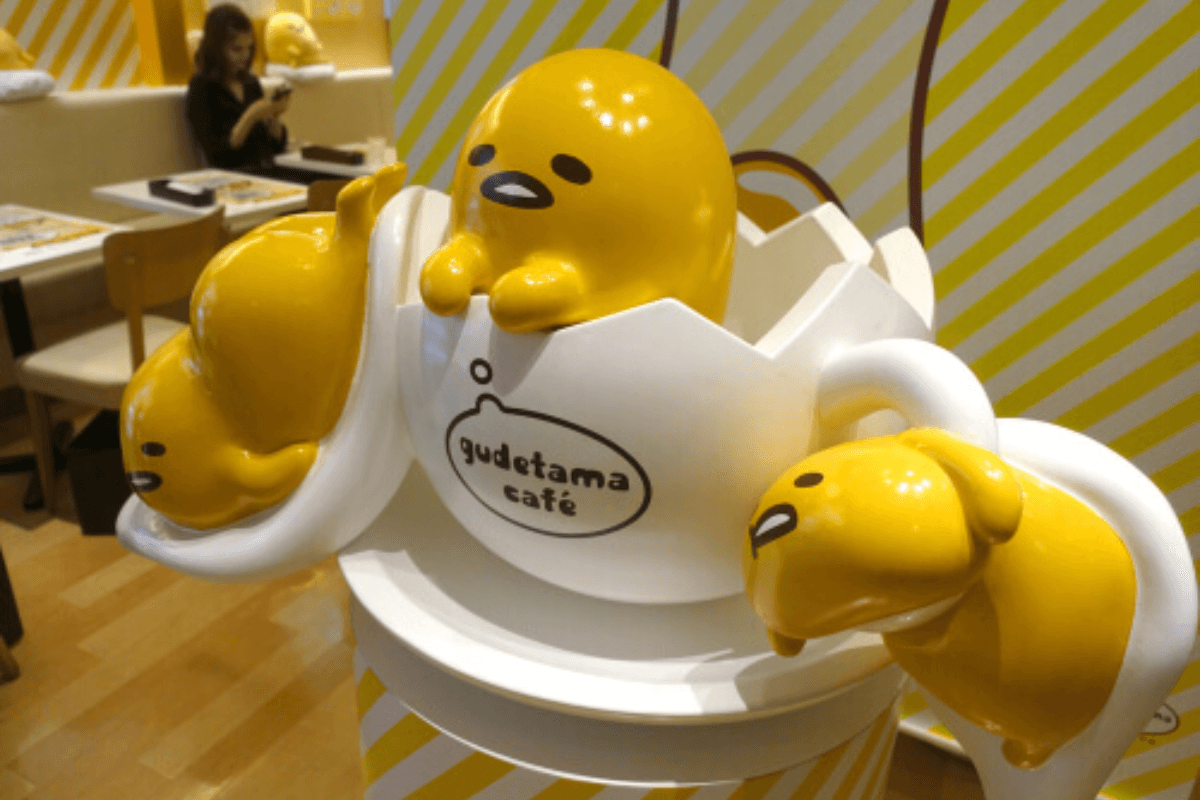
Forms that are irregular, slightly imperfect in shape, and by many standards may be considered “ugly” are often valued in Japanese culture. At first glance, they may appear unfinished or flawed, but that is precisely why they draw our eye.
In the modern aesthetic, Busukawaii (ugly-cute) is used to describe characters and items that are charming precisely because they are unattractive. Imperfect shapes and unrefined presences invite imagination. Because they are not fully finished, their beauty does not fit into the standard mold. They can be even more endearing than something that is simply cute or beautiful.
Wabi-Sabi comes to life through the objects we use and cherish in our daily lives.
At Japan Market, you’ll find a wide range of products that express the different forms of Wabi-Sabi we’ve explored in this blog. If you’re curious, we invite you to visit, explore, and experience this timeless Japanese aesthetic for yourself.
